Quick Summary:
- Why clothes develop a damp, sour or unpleasant smell after washing, even when the washing machine looks clean.
- How Malaysia’s hot weather, high humidity and frequent rainfall can affect laundry freshness.
- How hidden dirt, detergent build-up and bacteria contribute to unpleasant laundry odours.
- Practical washing machine maintenance tips to prevent bad smells and keep clothes fresh.
- When professional washing machine cleaning can help remove hidden residue and improve laundry freshness.
Why Do Clothes Smell Bad After Washing?
A washing machine may look clean on the outside, but hidden areas can collect detergent, fabric softener, dirt, body oils and moisture over time. These deposits can create an environment where odour-causing microorganisms grow.
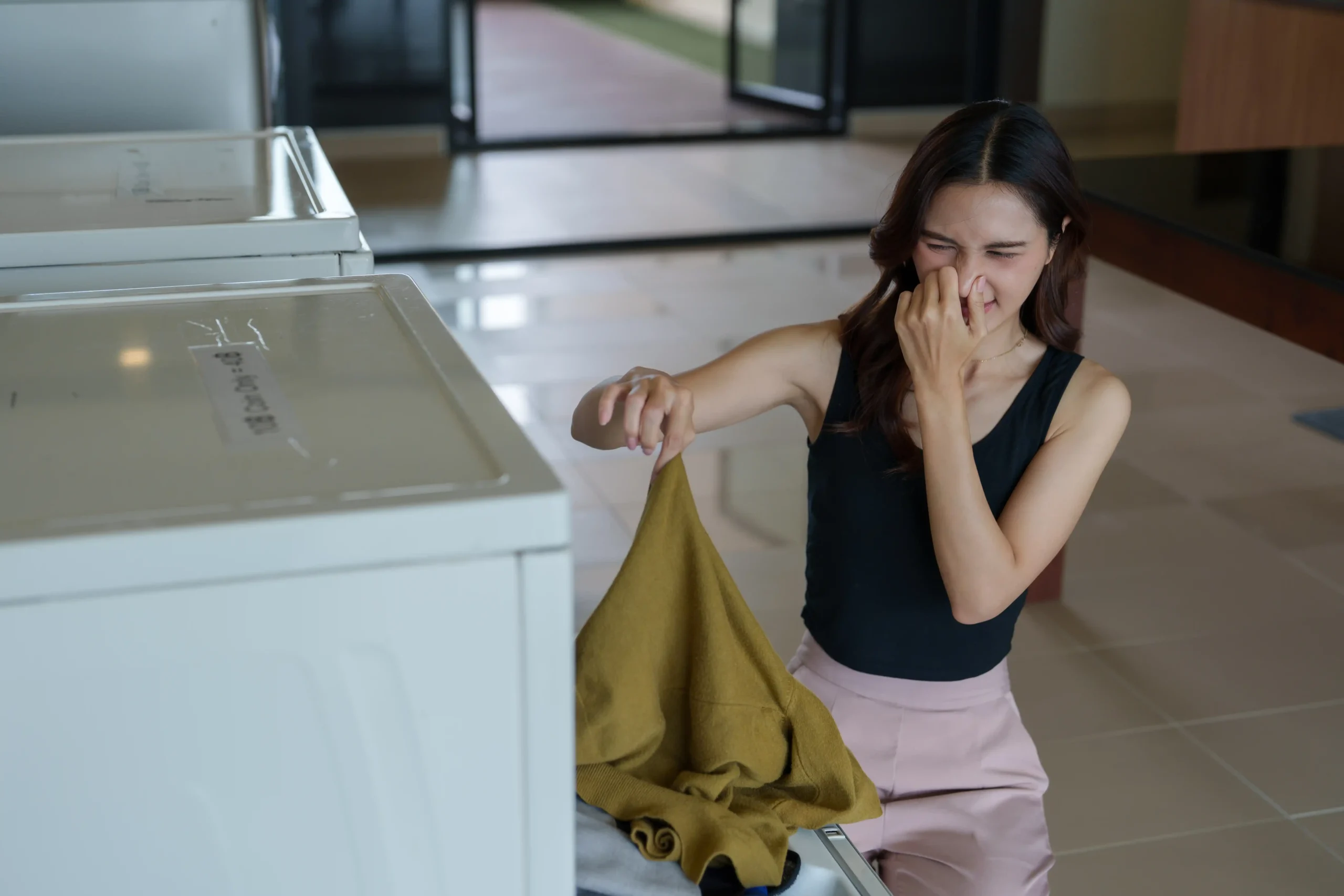
When you wash your clothes, some of these residues may remain inside the drum, detergent drawer, rubber seal or drainage system. As a result, freshly washed clothes may carry an unpleasant smell instead of the clean scent you expect.
This problem is common in households that do frequent laundry, use too much detergent or leave wet clothes inside the machine for several hours. Understanding the actual cause is the first step towards keeping your laundry fresh and improving washing machine hygiene.
1. Hidden Dirt Inside the Washing Machine
The washing machine drum is not the only area that needs cleaning. Dirt and moisture can collect behind the drum, around the door seal, inside the detergent compartment and along the drainage pathway.
Front-load washing machines are particularly prone to moisture collecting around the rubber door gasket. If water, lint and detergent residue remain trapped in these areas, an unpleasant smell can develop over time.
Top-load machines can also accumulate grime beneath the pulsator, around the drum and inside other components that are not easily accessible during normal cleaning.
What you can do:
- Wipe the drum and accessible rubber seals regularly.
- Remove and wash the detergent drawer according to the manufacturer’s instructions.
- Inspect accessible areas for visible dirt, mould or residue.
- Run the machine’s drum-cleaning cycle when recommended.
If the smell continues despite regular maintenance, Washing machine deep cleaning may be necessary to address deposits in areas that ordinary wiping cannot reach. Regular washing machine drum cleaning can also help reduce residue and prevent persistent odours from developing.
2. Using Too Much Detergent
More detergent does not always mean cleaner clothes. Using more than the recommended amount can leave soap residue on garments and inside the washing machine.
This is especially possible when using concentrated detergents or washing smaller loads with excessive detergent. The residue may trap dirt and moisture, contributing to unpleasant odours.
Hard water, heavily soiled laundry and unsuitable washing settings can also affect how effectively detergent rinses away.
How to prevent detergent build-up:
- Use the recommended amount of detergent based on the load size and the product instructions.
- Adjust the amount according to the load size and soil level.
- Use detergent suitable for your washing machine type.
- Avoid adding extra detergent simply because clothes smell unpleasant.
- Clean the detergent drawer regularly.
If you notice a slippery film inside the drum or residue around the detergent compartment, check your washing routine before adding more cleaning products. Removing detergent residue in washing machine components can help improve cleaning performance and reduce the chance of unpleasant smells returning.
3. Leaving Wet Clothes Inside the Machine
One common reason clothes smell musty after washing is leaving them inside the machine for too long after the cycle finishes.
Malaysia’s humid weather can make drying laundry more challenging, particularly during rainy periods. When damp clothes remain in a closed washing machine, moisture and limited airflow can encourage odour development.
Even a properly cleaned washing machine cannot prevent this problem if wet laundry is forgotten for several hours.
Simple habits that help:
- Remove clothes as soon as the washing cycle ends.
- Hang laundry in a well-ventilated area.
- Use a fan or suitable drying equipment when indoor humidity is high.
- Avoid leaving damp towels and sportswear in laundry baskets.
- Ensure clothes are fully dry before storing them in wardrobes.
If the clothes already have a musty smell, rewash them using the appropriate detergent and washing instructions. Remove the clothes from the washing machine as soon as the cycle ends and hang them in a well-ventilated area to dry. These laundry odour removal tips can be especially useful for Malaysian households that dry clothes indoors during rainy weather.
4. A Dirty Drain Filter or Blocked Drainage System
The drainage system removes dirty water from the washing machine. If the filter becomes clogged with lint, hair, coins or other debris, water may drain slowly or remain trapped inside certain areas.
Standing water can develop an unpleasant smell that transfers to subsequent laundry loads. A partially blocked drain hose may also affect drainage performance.
Check the user manual to locate the drain filter and learn how to clean it safely. Before opening any filter, switch off the machine and prepare for water to spill out. Some models require a technician to access particular components.
If the machine drains slowly, displays an error code or continues to smell after filter cleaning, arrange an inspection rather than dismantling internal parts yourself. Timely washing machine drain cleaning and maintenance can help prevent drainage issues from affecting laundry freshness.
5. Low-Temperature Washes and Short Cycles
Cold-water washing is useful for many everyday clothes and can help reduce energy consumption. However, repeated short cycles may not adequately remove heavy soil, body oils and detergent deposits from certain loads.
This does not mean every wash needs hot water. Delicate fabrics and specific garments may require cold or low-temperature settings.
Instead, choose the cycle according to the fabric, soil level and manufacturer’s instructions. For towels, bedding and heavily soiled clothes, a suitable longer cycle may provide better cleaning when recommended by the garment care label.
The washing machine’s maintenance cycle should also be used according to its instructions. Avoid selecting a high temperature without checking whether the machine, detergent and laundry items can safely tolerate it.
6. Fabric Softener and Detergent Residue
Fabric softener can make clothes feel smoother, but excessive use may leave a coating on fabrics and internal machine surfaces. Over time, this build-up can trap dirt and contribute to unpleasant smells.
Similarly, detergent deposits can accumulate when the drawer is not cleaned, the dosage is excessive or rinsing is insufficient.
To reduce the problem, measure both products carefully and clean the dispenser according to the manufacturer’s recommendations. Avoid mixing cleaning chemicals, particularly bleach with acidic products or ammonia-based cleaners, as this can release dangerous gases.
If clothes continue to smell after you have adjusted your detergent use, the machine may need a more thorough inspection and cleaning. Following washing machine cleaning tips and using the correct amount of laundry products can help prevent recurring residue problems.
7. Mould and Mildew Around the Washing Machine Seal
Moisture trapped around the rubber seal, detergent drawer and other damp areas can encourage mould or mildew growth. This is particularly relevant in humid environments where the washing machine does not dry properly between cycles.
You may notice black spots around the door gasket, a musty smell when opening the machine or unpleasant odours that return shortly after cleaning.
How to reduce mould build-up:
- Wipe the rubber seal after washing.
- Keep the door or lid slightly open when safe to do so.
- Clean the detergent drawer regularly.
- Avoid leaving wet laundry inside the machine.
- Follow the manufacturer’s instructions for drum maintenance.
If mould is extensive or located in areas you cannot reach safely, professional inspection may be appropriate. Persistent mould growth can indicate that moisture or residue is continuing to collect inside the machine.
8. When Should You Arrange Professional Washing Machine Cleaning?
Routine maintenance is important, but it may not be enough when dirt and odour have accumulated in inaccessible areas. Persistent smells, visible mould around seals, recurring residue and unpleasant odours returning after every wash can indicate that deeper cleaning is needed.
A Washing machine cleaning service Malaysia homeowners can consider should assess the machine type, its condition and the source of the odour before recommending suitable cleaning work.
Professional cleaning may involve addressing accessible internal surfaces, detergent deposits, rubber seals and other areas according to the appliance design. The exact process depends on the washing machine model and the level of build-up.
If your washing machine still produces unpleasant-smelling laundry despite regular care, explore Deep Cleaners’ washing machine cleaning service to learn more about the available cleaning support.
Professional cleaning is not a substitute for repairing a faulty drain, replacing damaged components or resolving a plumbing issue. If the odour is caused by a mechanical fault, proper diagnosis is important.
How to Keep Your Laundry Smelling Fresh in Malaysia
Preventing unpleasant laundry smells is easier when a few simple habits become part of your regular routine.
- Keep the door open after washing: Leave the door or lid slightly open when safe to do so, allowing the drum to dry between cycles.
- Clean the seals and drawer: Remove moisture and visible residue from accessible areas.
- Use the right detergent amount: Follow the recommended dosage instead of adding more for every load.
- Avoid overloading the machine: Clothes need enough room to move so water and detergent can circulate properly.
- Wash damp items promptly: Do not leave sweaty gym clothes or wet towels sitting in a laundry basket.
- Maintain the machine regularly: Follow the manufacturer’s guidance for drum cleaning, filters and other maintenance tasks.
- Improve laundry room ventilation: Allow fresh air to circulate around the machine and drying area to help reduce moisture build-up.
These washing machine maintenance tips can help reduce residue, limit moisture build-up and improve the freshness of your laundry over time. Consistent care can also help you identify developing problems before they affect every wash.
Say Goodbye to Unpleasant Laundry Smells
A washing machine can look spotless while hidden dirt, detergent deposits, trapped moisture or drainage problems continue to affect your laundry. In Malaysia, humid weather and slow-drying clothes can make unpleasant smells more noticeable, but the problem can often be reduced through proper detergent use, regular maintenance and prompt drying.
If your clothes still smell bad after washing despite following these steps, it may be time to arrange a more thorough machine cleaning. Visit Deep Cleaners’ washing machine cleaning service to explore your options. For further assistance or to enquire about suitable cleaning support, contact Deep Cleaners today and take the next step towards fresher laundry.
FAQs:
1. Why do my clothes smell bad after washing even when the washing machine is clean?
Clothes may smell bad because of hidden detergent residue, trapped moisture, mould or bacteria inside the washing machine. Cleaning internal components and drying clothes promptly can help reduce odours.
2. How do I get rid of a musty smell in my washing machine?
Clean the detergent drawer, rubber seals and accessible filters according to the manufacturer’s instructions. Run the recommended drum-cleaning cycle and leave the door open afterwards to allow the interior to dry.
3. Why do my clothes smell sour after washing in Malaysia?
Malaysia’s humid weather can slow down laundry drying and encourage musty odours. Leaving wet clothes inside the machine for too long or using excess detergent can also contribute to the problem.
4. How often should I clean my washing machine to prevent bad smells?
Follow your washing machine manufacturer’s cleaning schedule. Wipe the seals regularly, clean the detergent drawer as needed and run the recommended maintenance cycle to prevent dirt and residue build-up.
5. When should I hire a professional washing machine cleaning service?
Consider professional cleaning when unpleasant smells persist despite regular maintenance, or when visible mould and stubborn residue keep returning. If the machine drains poorly, arrange a technician’s inspection to check for possible faults.